
Before-and-after photographs can help you decide whether cleaning is worth exploring. They are most useful when you also understand what has changed and what a photograph cannot show.
The short answer: Cleaning can remove soiling and improve the appearance of suitable carpets and upholstery. It cannot repair worn fibres, faded dye or structural damage. These examples show previous work, not a guaranteed result for another carpet or sofa.
Carpet cleaning before and after
The following pairs come from New Life Carpet's existing work archive. Compare the same areas across each pair, keeping in mind that camera angle, light and the direction of the pile can affect how a carpet looks.


Soiling and wear can look similar
A grey traffic route may contain removable dirt, but flattened or abraded fibres can also change its appearance. We assess the surface and condition before choosing a treatment. If the fibres or colour are damaged, cleaning has limits even when a substantial amount of soil is removed.
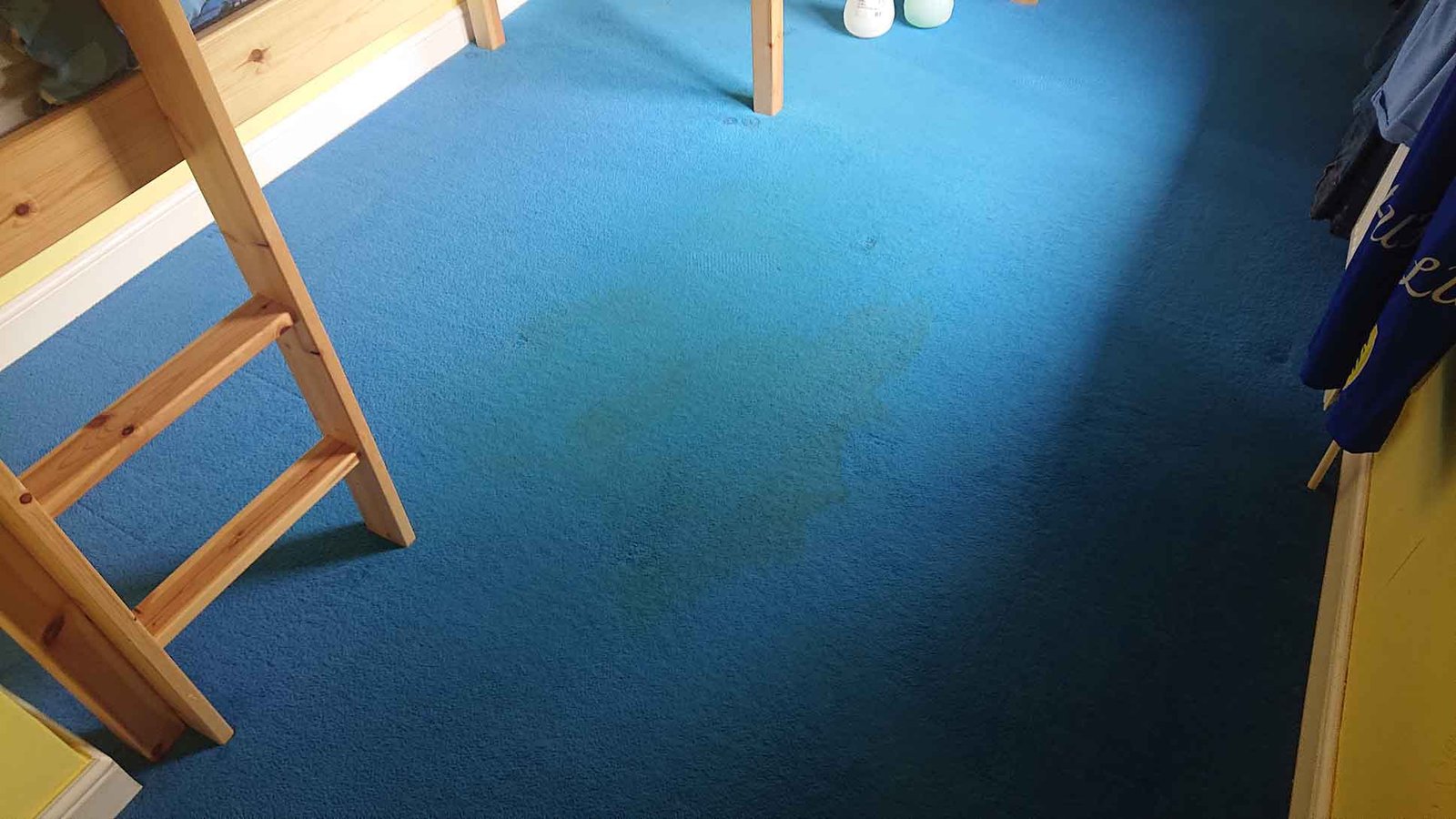
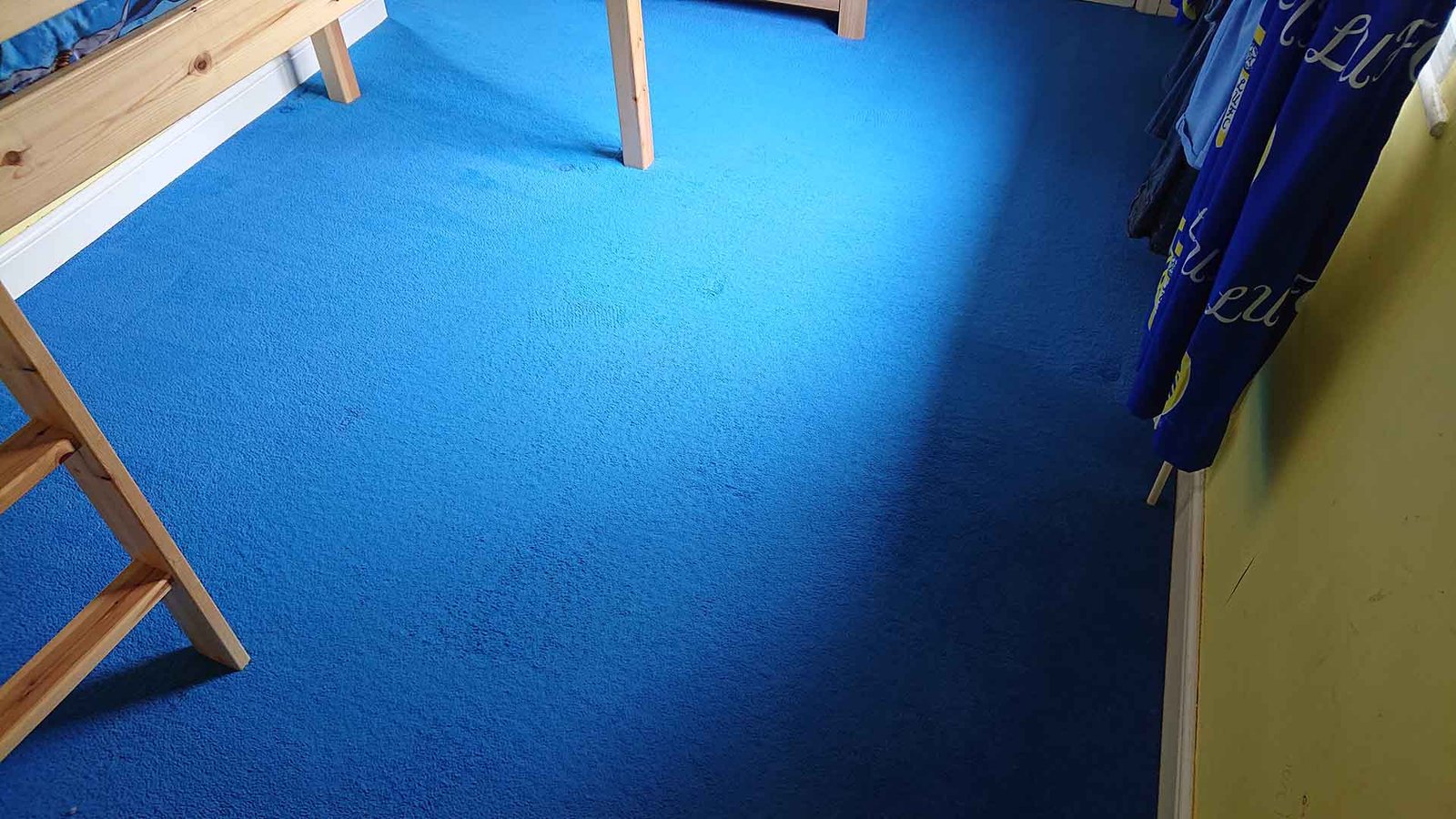
One result does not establish what caused every mark or which product another carpet needs. Tell us about known spills and any earlier stain treatments. That history helps us plan the assessment and avoid repeating an unsuccessful approach.
Upholstery cleaning before and after
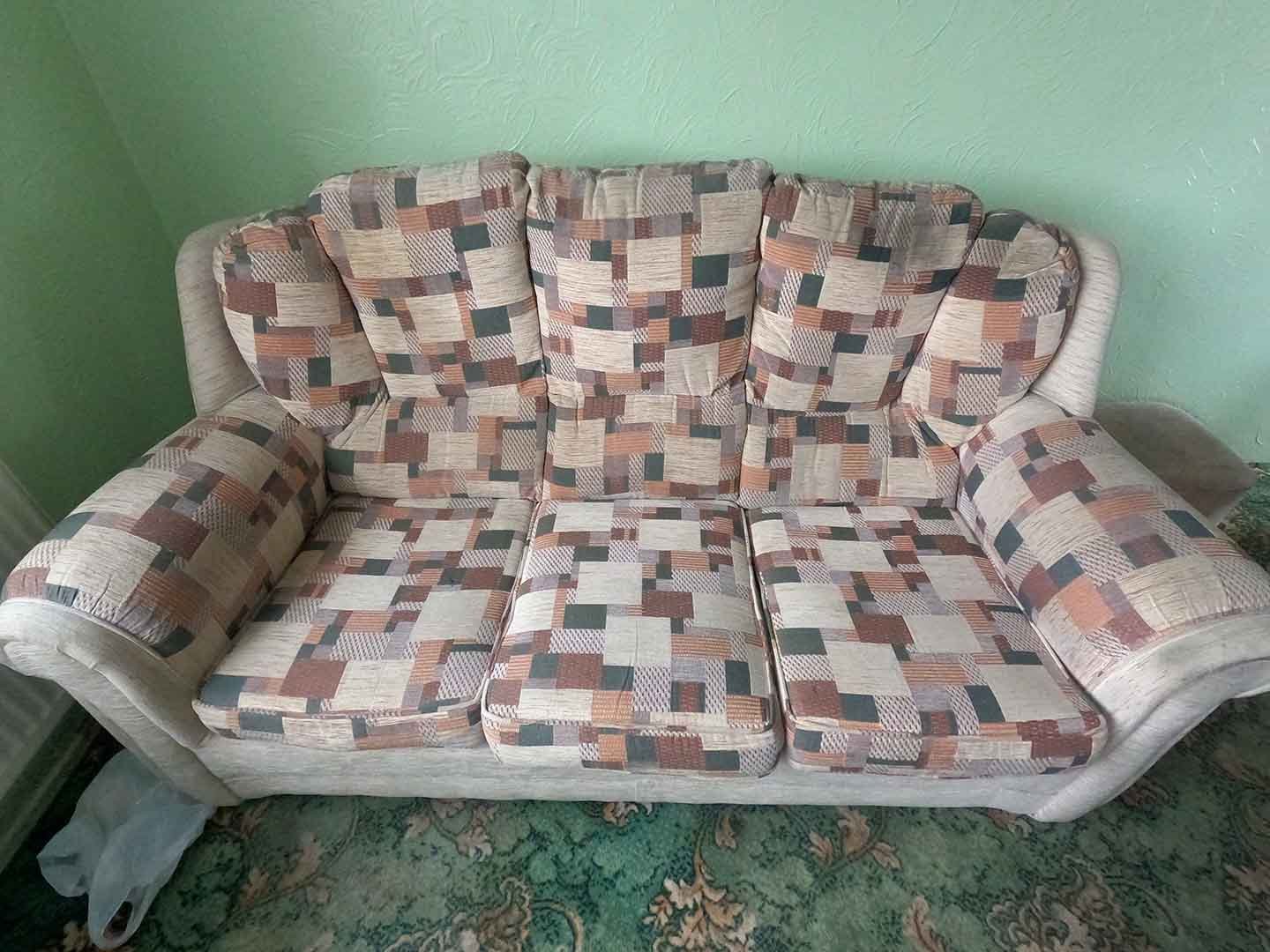
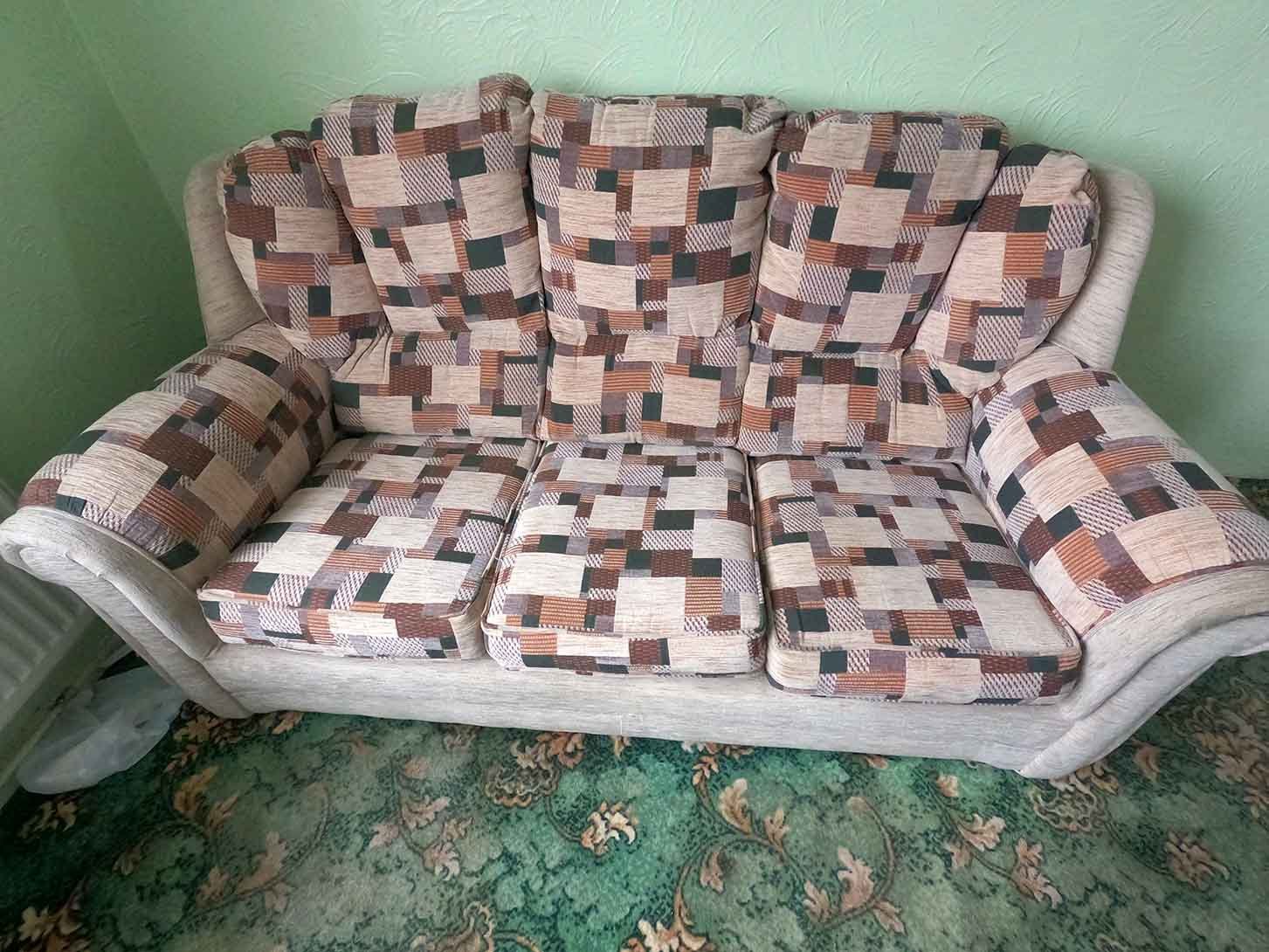
Body oils, food spills and everyday use can change the appearance of armrests and seating. The cleaning method depends on the fabric, dyes, construction and care information. A sofa with sound fabric may be worth assessing before replacement; fraying, fading and broken cushions need a different decision.
Our guide to whether a sofa can be saved explains which problems cleaning can address and which it cannot.
What a before-and-after photo cannot tell you
- Whether an odour source has been removed. Urine can extend into backing, underlay or cushion filling. A clean surface is only part of that assessment.
- How the material feels. A photograph cannot prove that a sticky residue has gone or that the fibres are undamaged.
- Whether the carpet is fully dry. Moisture and pile direction can affect the appearance immediately after cleaning.
- What will happen to your own stain. Age, fibre type, dye damage and previous products all affect the result.
- Any health outcome. A visual improvement is not evidence that a carpet is sterile or that allergy symptoms will improve.
What happens before we try to reproduce a good result?
- Inspect: assess the material, condition, staining and signs of wear.
- Prepare: remove dry soil where appropriate and select suitable pre-treatment.
- Loosen the soiling: use controlled agitation suited to the fibre.
- Extract: use hot water extraction and rinsing on appropriate materials, managing moisture carefully.
- Check and advise: discuss remaining marks, drying and furniture protection where needed.
See our carpet cleaning service or our upholstery cleaning service for more about the work.
How to get useful advice about your own carpet
Send a wide photograph of the room and a close-up of the problem, ideally in ordinary daylight. Include your postcode, the approximate size, what caused the mark if known, and anything you have applied. For a sofa, include the whole item and a care-label photo.
Photos help us discuss the options and quote for the requested work. They do not replace every check we may need to make in person. We will explain any limitations rather than promising that every item can look new.
When should I judge the final result?
Review it once the material has dried, following the advice for your appointment. Many carpets take around 4–12 hours after hot water extraction, with some taking longer. Our drying guide explains the factors.
What if a stain returns?
Tell us when it reappeared and avoid repeatedly treating it yourself. Wicking and cleaning residue can produce similar-looking marks but need different solutions.