Useful advice from your local carpet cleaners · No unrealistic drying promises
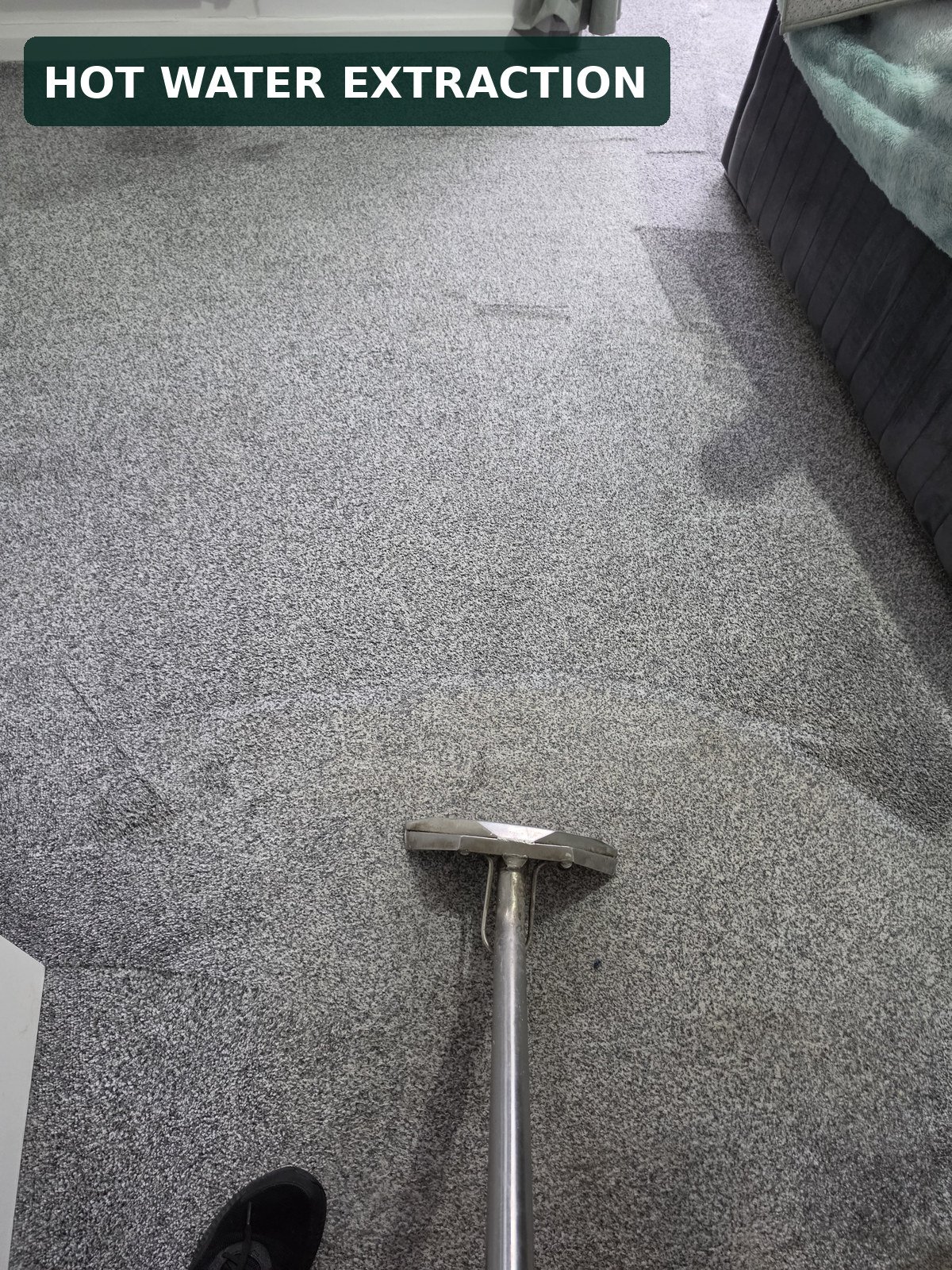
After professional hot water extraction, around 4–12 hours is a useful estimate for many carpets. Some feel dry sooner; others take longer, particularly in cool rooms or where air is not circulating.
Drying time is not a fixed promise. It depends on the carpet itself, how it was cleaned, the level of soiling and the conditions inside your home.
Planning tip: If you’re expecting visitors, moving furniture or handing over a property, try to leave the cleaned rooms unused for the rest of the day rather than relying on the earliest possible drying time.
Thick, dense carpets can hold more moisture than some low-pile synthetic carpets. Wool and delicate constructions need their own cleaning and drying considerations. The same room can dry differently from one carpet to another.
Warm indoor air and good circulation generally help moisture evaporate. A cool, closed room on a damp day may take longer. Opening every window is not always the best option if the air outside is very humid.
Hot water extraction applies solution and removes it with vacuum suction. Thorough recovery matters. Heavy soiling, repeated stain treatments and how the carpet is constructed can all influence what remains to dry.
A small, well-ventilated bedroom may behave differently from a staircase, busy hallway or a room with little airflow. Underlay and flooring conditions also matter if significant moisture is present.
Avoid: hairdryers, heat guns, strong direct heaters or repeated home shampooing to ‘speed things up’. They may damage fibres or leave even more moisture behind.
It’s best to keep off a freshly cleaned carpet until it is dry if practical. If access is unavoidable, ask your cleaner whether brief, careful use is acceptable and keep footwear clean. Do not assume the surface is dry just because it no longer looks dark.
Take extra care on carpeted stairs. Damp treads can be slippery, and moving around in socks or carrying heavy objects may increase the risk of a fall.
For households with children or pets, it is sensible to arrange cleaning when rooms can be closed off or used as little as possible for several hours. Pets should not be allowed to lick damp, recently treated fabric.
Moving heavy furniture over damp carpet can press the pile flat, trap moisture and sometimes transfer stains from furniture feet. Leave large items where the technician recommends until the carpet has dried sufficiently.
Where furniture needs to remain in place after cleaning, protective tabs or pads may be used beneath suitable feet. Do not remove them early if the carpet is still damp, and follow the cleaner’s specific instructions.
Also avoid laying rugs, plastic sheets or other coverings flat over a damp carpet. They can slow evaporation.
A longer drying period does not automatically mean something has gone wrong. Cold weather, dense pile, high indoor humidity and more intensive treatment can all make a difference.
However, if the carpet remains noticeably wet after about 24 hours, develops a musty odour, or you see signs that the backing or underlay is holding water, contact the cleaning company rather than repeatedly adding heat or moisture yourself. Prompt assessment is particularly important where there may have been a leak or significant over-wetting.
Wet and dry patches can also have different appearances. Test the carpet gently with a clean hand or cloth instead of relying only on colour.
People often call professional hot water extraction ‘steam cleaning’, but the process is not simply blasting steam into the flooring. Suitable cleaning solution is worked into the carpet and the machine extracts suspended soil and moisture.
Good cleaning is a balance: enough treatment to remove soil, without unnecessary saturation. It is also important to choose the method to suit the fibres and carpet construction; not every carpet should be treated in the same way.
If you want to understand the rest of the process, read our guide to professional stair carpet cleaning, including pre-treatment and extraction.
Wait until the carpet is dry. Most domestic vacuum cleaners are not intended for wet carpet, and moving the head over damp pile can cause unwanted disturbance.
Not always. Ventilation helps, but very humid outdoor air can slow evaporation. A comfortable indoor temperature, air movement and appropriate humidity control are the main considerations.
Potentially. Rooms are often colder and less ventilated in winter. Normal central heating and safe air circulation can help, but the drying estimate still depends on the carpet.
Ideally once it has dried and the cleaner has said normal use is suitable. Plan for reduced access for several hours, particularly on stairs.
New Life Carpet – Carpet Cleaning Service cleans carpets, stairs and upholstery in Pontefract (WF8), Castleford (WF10), Wakefield and surrounding areas, with appointments elsewhere including Doncaster and Selby by arrangement.
We give drying advice based on the carpet and the conditions at the property — not a blanket guarantee that every carpet will be ready within an hour.
For more practical information, see our guide to carpet cleaning prices in Pontefract or get in touch about your carpet.
NEED A CARPET CLEAN?
Or call 07939 205695
We use necessary cookies to run this website. With your permission, Google Ads can use cookies and device information to measure enquiries from adverts and personalise advertising. You can use our quote form with either choice.
Change your mind any time using Cookie settings in the footer. Privacy and cookie details.
Necessary cookies: always on. These support the site and remember your choice for 180 days.
Allow advertising measurement and personalised advertising. Off until you agree. Withdrawing consent reloads this page to stop the Google tag.